How a Tutoring Company Builds Its Own Resources (and Keeps Them Consistent)

Should a tutoring company make its own resources or buy them?
Make the tutoring resources that carry your teaching method and your students’ specific gaps. Buy the generic ones. A tutoring company’s own resources are worth the effort when they are written once, checked by a second person, stored in one place and owned by the company rather than by whichever tutor wrote them. Without those four things, “making your own” just means each tutor improvising a different worksheet.
Last updated: October 2026.
Make, buy or adapt: a quick rule
| Resource type | Usually make | Usually buy or adapt | Why |
|---|---|---|---|
| Topic notes and worked examples | Yes, for your core subjects | Adapt for the long tail | Your explanations are the product parents are paying for |
| Practice worksheets for a known weak topic | Yes | Buy if the topic is rare | Targeted practice beats generic practice |
| Diagnostic and placement checks | Yes | They define your standard | |
| Generic drill sheets (times tables, spelling lists) | Yes | Commodity, and cheap | |
| Past papers and exams | Source from the exam authority | Copyright and marking schemes are not yours (see our copyright and licensing guide) | |
| Welcome packs, term overviews, reports | Yes | These are your brand, not your curriculum |
The test is simple. If a student would notice a different tutor’s version, make it once and standardise it. If nobody would, buy it. For where to buy the rest, see where to buy tutoring resources.
Who should write, and who should check?
Pick one owner per subject, not one per tutor. The owner writes or approves the master version; every other tutor copies from it rather than from their own folder. Then add a second pair of eyes before anything reaches a student: a different person checks the answers, the marking scheme and the level. If AI drafted any of it, the checks in our guide to AI-generated worksheets matter even more.
At EquateIt, I made about half of our resources myself. I generate questions targeted at each student’s weaknesses, using AI and ClassQuill. The other half came from searching online for the topic.
The online half taught me the lesson that matters most. Free worksheets usually have one or two good questions and a lot of weak ones, and you waste time sifting every time. So I stopped treating a worksheet as the unit. I pull the good questions out and keep them in a question bank, organised by topic. Next year, and for every other tutor, the sifting has already been done.
Should you pay tutors to create resources?
It depends on how they are engaged, so decide it on purpose rather than by default.
- Employees. Whether time spent writing resources counts as paid work depends on the award or agreement that covers them, so check it rather than assuming. The Fair Work Ombudsman{target=“_blank”} is the place to confirm the rule for your tutors.
- Contractors. Pay a fixed fee per resource, or fold preparation into a higher session rate. Be explicit in writing, because it also decides who owns the material.
- Either way. Put ownership in the contract. A common approach is a clause saying materials created for the company’s sessions belong to the company, while tutors keep material they brought with them that does not contain company content. Our guide to hiring tutors and contracts in Australia covers the wider contract.
How do you keep every tutor on the same version?
Three habits do most of the work.
- One home. All master resources live in one shared location, not in tutors’ personal drives. Our Drive folder guide covers the structure and permissions.
- One template. Standardise the header, the font, the question numbering and the answer layout. Students and parents then read your materials as one company’s work.
- One rule for tutor-made extras. Tutors will always make their own. Allow it, but anything used with more than one student gets reviewed and filed in the master folder, or it stays out of sessions.
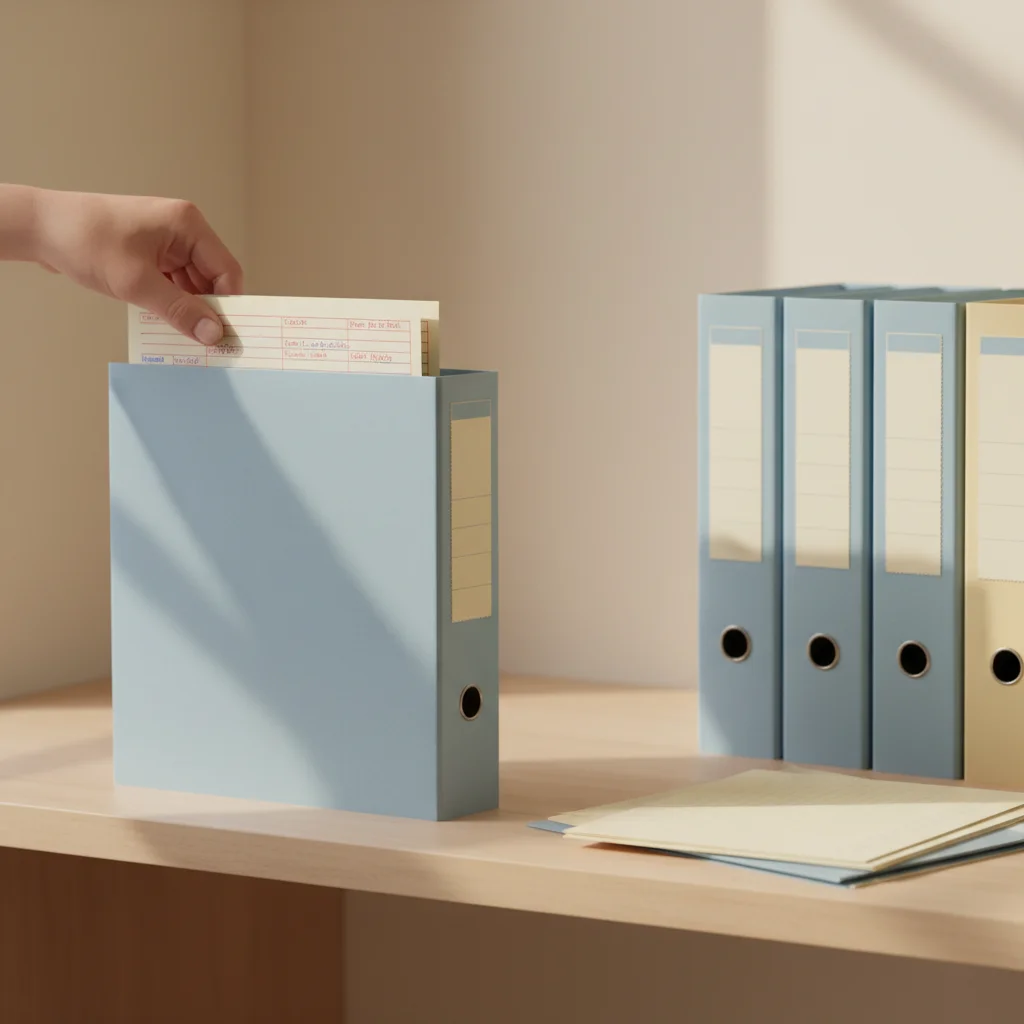
The simplest version of this for a company is a question bank. Keep the good questions, tagged by topic, and build each worksheet from the bank instead of from scratch. It also fixes quality: a bank is where you filter by difficulty, marks, multi-part and topic, so a tutor gets the right type of question rather than whatever a free worksheet happened to contain.
Where ClassQuill fits (and where it doesn’t)
ClassQuill is not a resource authoring tool. It is where your resources live once they exist, and where a few of them get made from real student data.
- Question bank. A bank of questions you can filter by topic, difficulty (easy, medium, hard), maximum marks, maximum parts and question type, so tutors can find the right kind of question quickly.
- Library. A personal and organisation-wide store for worksheets and files, so tutors pull from one place.
- Shared files. Students open resources inside the software, through the shared files section of their classroom, rather than from a loose link.
- Worksheet generator. Builds a practice worksheet from a student’s (or a group’s) weak topics, which you can print, save to the Library or assign.
- Google Drive attach. Attach a file from Drive to a lesson or resource. ClassQuill stores a link, not a copy. Attaching sets the file to “anyone with the link can view”, which matters if the file is sensitive.
ClassQuill does not check licences on files you upload, does not sell or share resources between companies, and does not reorganise a Drive folder for you.
The single biggest difference for me is what ClassQuill does after a session. It suggests homework questions from the session transcript, matched to the question bank. The tutor reviews them and assigns with a click. So practice follows the lesson instead of waiting for me to write it.
Australia, the UK and the United States
The method is the same everywhere; the alignment target differs.
- Australia: align to the Australian Curriculum{target=“_blank”} or your state authority, such as the VCAA{target=“_blank”} in Victoria. US-written worksheets often use different terminology and spelling.
- United Kingdom: align to the National Curriculum{target=“_blank”} and the exam board for GCSE and A-level work.
- United States: align to your state’s standards, which vary.
Whichever you pick, put the alignment in the template header so a tutor can see at a glance what the sheet is for.
What to do this week
- List every resource type your tutors use and mark each make, buy or adapt.
- Name one owner per subject.
- Add a second-person check to anything students see.
- Move master copies into one shared location.
A worksheet only belongs to the company once a second person has checked it and it lives in one place.